Biodiesel Dealership in Bihar: A Practical Guide from Green Natural Energy 69
What the business really involves, what to check before you sign up, and how to assess any supplier, including us.
The economy of Bihar runs on diesel. Trucks carry agricultural produce across the Gangetic plains, construction sites run their generators from morning until evening, and rice mills, brick kilns and small factories all need a steady supply of fuel. That is why an increasing number of entrepreneurs are asking us a single question: is it worth setting up a biodiesel dealership in Bihar?
Each week we hear this question from potential partners at Green Natural Energy 69 (GNE69), a flex fuel company based in Patna dealing in biodiesel, CNG and CBG. Our straightforward answer is that it can work, provided the person is the right fit, in the right location, and has done the groundwork. This guide explains how the business operates, what to check before you invest, and how to assess any supplier, including us.
Why Bihar is turning to alternative fuels
Several trends are creating demand for a biofuel company in Bihar:
- A large base of diesel users: transporters, farm operators and small industries
- A national policy push towards renewable fuels and blending, under India's National Policy on Biofuels
- Growing awareness among commercial buyers about fuel costs and emissions
- An early-stage market, with less competition in many districts
An early market also means low customer awareness, so allow time for educating buyers before they switch even part of their consumption.
What is involved in a biodiesel dealership?
A dealer buys fuel from a producer or supplier, stores it safely, and sells it to end users or smaller resellers. In practice, that means procurement, quality checks, storage, transport, billing, credit control and compliance paperwork, every day.
Biodiesel is a renewable fuel made from vegetable oils, used cooking oil or animal fats through a process called transesterification. In India, the Bureau of Indian Standards has set the specification for pure biodiesel (B100) under the standard IS 15607, and every litre you sell should be backed by test certificates showing it meets that standard. If you are new to the fuel itself, see our guide on what biodiesel is, its uses and blends.
How the supply chain works
Think of the process as four stages:
Producer
The producer manufactures biodiesel from feedstock.
Supplier or brand
The supplier or brand collects the fuel and selects partners.
Dealer or distributor
The dealer or distributor stores it and moves it across a territory.
End users
Fleets, factories and generator operators use the fuel.
Each time the fuel changes hands, cost and risk increase. Understanding where you sit in this chain helps you judge your real margin and your real exposure.
What model is right for you?
These terms are often used loosely, so it helps to tell them apart.
| Model | How it works | What to watch |
|---|---|---|
| Dealership | You sell a supplier's product through a fixed outlet and operate on the supplier's terms, with branding and pricing mostly determined for you. | How much room the supplier's terms actually leave you. |
| Distributorship | A biodiesel distributorship in Bihar covers a larger area and attends to bulk buyers or sub-dealers. | Needs greater storage, more vehicles and higher working capital. |
| Franchise | You use a brand's name, systems and support, and pay fees or a margin in return. | Find out what the "support" actually includes. |
| Independent fuel company | You buy directly from producers and build your own brand. | More freedom, but full responsibility for quality, supply and compliance. |
If you are leaning toward a dealership, see how it works with us on the biodiesel pump dealership in Bihar page.
Biodiesel vs CBG: know the difference
Since we deal in biodiesel, CNG and CBG, we often meet entrepreneurs who mix up these categories. Compressed Biogas (CBG) is a gaseous fuel made from organic waste and used mainly in CNG-compatible vehicles. Biodiesel is a liquid alternative to diesel. The two need different equipment, storage, safety systems, approvals and customers. If you are considering a Bio CBG dealership alongside a biodiesel business, assess and plan each one on its own. Read more about Bio CBG and about investing in a Bio CNG dealership in Bihar.
Groundwork before you invest
Spend a few weeks on research before committing money.
- Market demand. The kind of user who buys diesel in bulk varies by district: a transporter at the highway junction in Hajipur is in a very different position from a rice mill in Rohtas.
- Target customers. Commercial and institutional buyers generally matter more than walk-in retail.
- Location. Highway access, industrial clusters and road connectivity affect both sales and delivery costs.
- Logistics. Where does the supply originate? Who pays for freight? What happens during monsoon disruptions?
- Capacity. How much storage can you provide safely, and does it match realistic demand?
Licences, standards and safety
This is where many new businesses cut corners, and it is often the reason for the quickest closures.
Depending on your business model, you may need authorisation for the sale of fuel, approval for petroleum storage, fire safety clearance, pollution control consent, a trade licence and GST registration. Separate rules apply to retail sale and bulk supply of biodiesel.
Requirements differ from district to district and change over time. Consult the relevant central and state authorities for current information, and get advice from a qualified professional. Do not accept any promise from a supplier that "everything has been taken care of" — including from us. Ask to see the documents.
Infrastructure you will need
A typical setup involves:
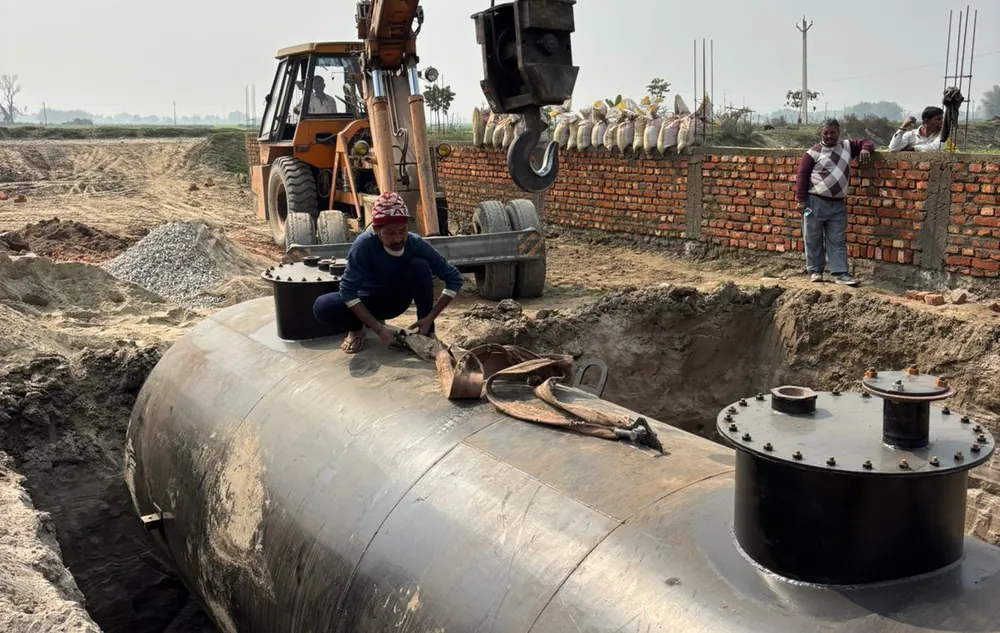
- Storage tanks built to safety standards
- Dispensing or transfer equipment
- Fire safety measures
- A delivery vehicle or tanker
- Sampling and testing facilities
- Simple stock and accounting software
You will also need staff trained in fuel handling, spill response and documentation.
Finding commercial customers
Most new distributors grow through direct business-to-business sales. Good places to start:
- Bus and truck fleet owners
- Construction companies and contractors running generators
- Rice mills, brick kilns and small manufacturing units
- Agricultural operators using tractors and pumps, where suitable
- Institutions with power backup needs
A good approach is to offer a trial quantity with clear test reports, then follow up on performance. Always confirm the customer's engines and equipment suit the blend or grade you supply.
Supply chain planning
Customers will not forgive a stock-out. If a delivery is delayed and a fleet's trucks sit idle, you could lose that account for good. Keep a buffer stock, arrange an alternative supply source where possible, and get written delivery schedules from your supplier.
Costs, revenue and working capital
Your financial plan should cover:
- Initial investment: land or lease, tanks, equipment, approvals and a vehicle
- Working capital: stock purchases and customer credit, usually the biggest pressure point
- Operating costs: salaries, transport, testing, insurance and maintenance
- Revenue: based on conservative volumes and real margins, not brochure best-case figures
No biofuel business venture ensures a profit. The outcome depends on demand, costs, location, competition, regulation, supply terms and, most of all, how well the business is run.
Common mistakes to avoid
- Paying large deposits without verifying the supplier
- Assuming demand without speaking to real customers
- Underestimating working capital and credit cycles
- Skipping licensing and safety approvals
- Treating Bio CBG and biodiesel as the same opportunity
- Signing territory agreements without reading exit clauses
Questions to ask any supplier, including GNE69
- What is the location of your production or sourcing facility, and can I visit it?
- Can you provide recent test certificates showing the fuel complies with BIS standards? (Our biodiesel supplier buyer guide explains what to look for.)
- What is your monthly supply capacity, and how do you handle shortages?
- Is my territory exclusive, and under what conditions?
- How are prices set, and how often can they change?
- Which fees or deposits are refundable?
- What training and technical support do you actually offer?
- What are the terms for termination and dispute resolution?
A reliable biodiesel company based in Bihar will answer all eight questions in writing.
Your evaluation checklist
- Verified supplier registration, facility and product test reports
- Confirmed licensing and safety requirements with the authorities
- Spoken to at least ten potential commercial customers
- Built a cost model on conservative sales assumptions
- Arranged working capital, not just start-up capital
- Had a lawyer review the agreement
- Prepared a contingency supply plan
Partnering with Green Natural Energy 69
Green Natural Energy 69 deals in biodiesel, CNG and CBG, with offices in both Patna and Raipur. We welcome serious entrepreneurs who want to build an operating fuel business rather than make a quick investment. We advise every potential partner to visit our office, ask the questions above, and carry out their own due diligence before committing any capital. See our Patna biodiesel company page and our dealership page for more.
Frequently asked questions
01Will a biodiesel dealership in Bihar guarantee a profit?
Profit depends on demand, costs, location, competition, supply terms and how well the business is run. Be careful of anyone who promises guaranteed returns.
02What licences are required to set up a biodiesel business in Bihar?
Authorisation for the sale of fuel, approval for storage and fire safety, pollution clearance, a trade licence and GST registration are usually required. Check with the relevant authorities for the current list.
03What is the difference between a biodiesel dealership and a distributorship?
A dealership operates under one supplier's terms from a fixed outlet. A distributorship serves a larger area and supplies bulk buyers or sub-dealers.
04Can I run a Bio CBG dealership along with biodiesel?
Yes, but they are separate fuel categories, each with its own infrastructure, customer base and approvals. Plan each one on its own.
05Who buys biodiesel in Bihar?
Mainly fleet operators, construction companies, various industries, generator users and, depending on equipment compatibility, some agricultural operators.
06How can I check a biofuel franchise offer in Patna?
Visit the facility, review the registration records and test reports, talk to current partners, and have a lawyer review the agreement before making any payment.
Summary and conclusion
A renewable fuel business in Bihar can make sense for entrepreneurs who are serious about running a business rather than making a quick investment. There is opportunity in pockets, but also risk around supply, compliance and customer credit. Do your homework, check everything yourself, and start at a scale you can handle. When you shortlist suppliers, learn more about GNE69's biodiesel dealership approach in Bihar, and still carry out due diligence on every claim before you put down any capital.