EV Charging infrastructure for the next mobility decade
As EV adoption accelerates, reliable charging points are becoming as essential as conventional fuel access, especially for urban corridors, intercity routes, and commercial fleets.
Why EV Charging is a high-demand category
EV charging infrastructure is in high demand globally, driven by rising electric vehicle sales, clean-energy policy push, and the urgent need to reduce range anxiety for both personal and commercial users.
Over 1.3 million public chargers were reportedly added globally in 2024, representing 30%+ annual growth, with major scale-up in China and Europe. This trend is reshaping mobility infrastructure and creating strong long-term business potential for charging-network operators.
- Rapid EV adoption is increasing dependency on dense and reliable public charging networks.
- Fast-charging preference is rising, especially for highway and commercial movement use-cases.
- Government incentives and policy support are improving project feasibility in many regions.
- Charging points can be integrated with retail locations for better utilization and recurring footfall.
Consumer Demand
As EV ownership grows, charging convenience becomes a deciding factor in vehicle adoption and usage behavior.
Fleet Expansion
Commercial fleets, ride platforms, and logistics segments require predictable charging availability.
Speed Expectations
Users increasingly prefer faster charging windows to reduce wait time and improve route efficiency.
Business Model
Charging hubs can combine energy sales with ancillary revenue through retail and service integration.
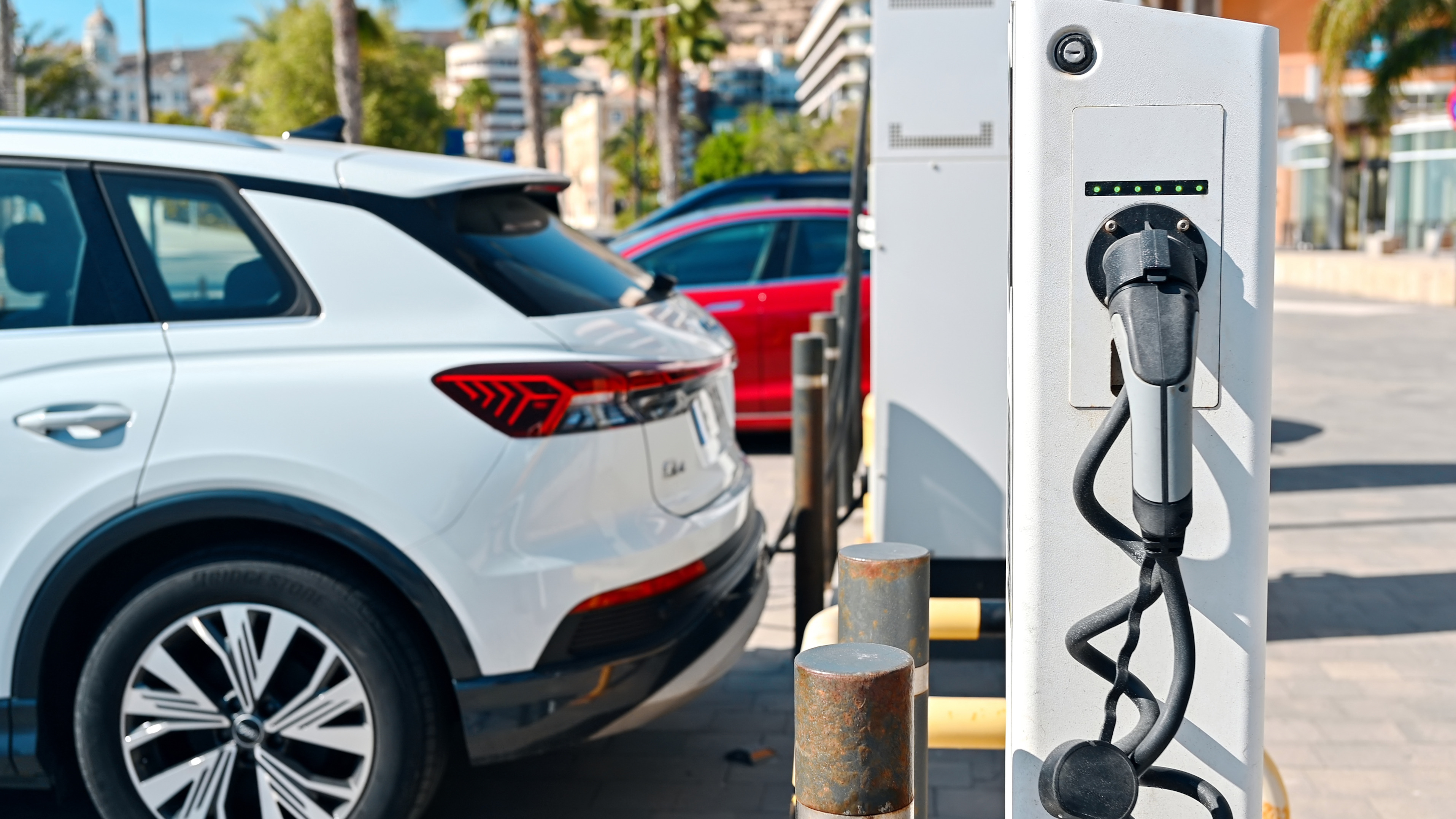
EV charging rollout priorities
EV Charging Gallery
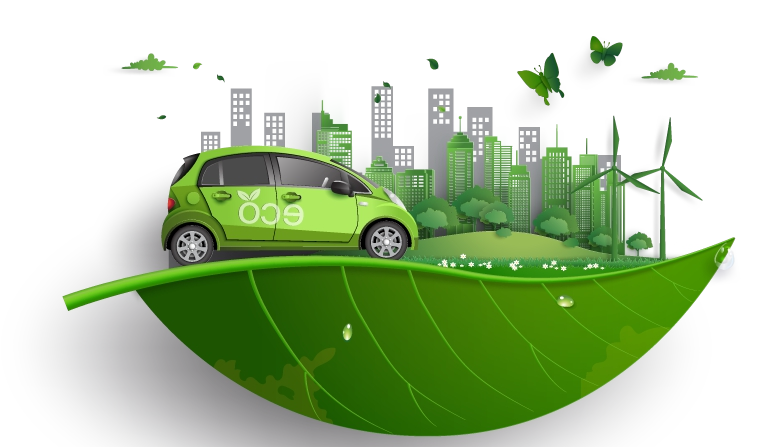
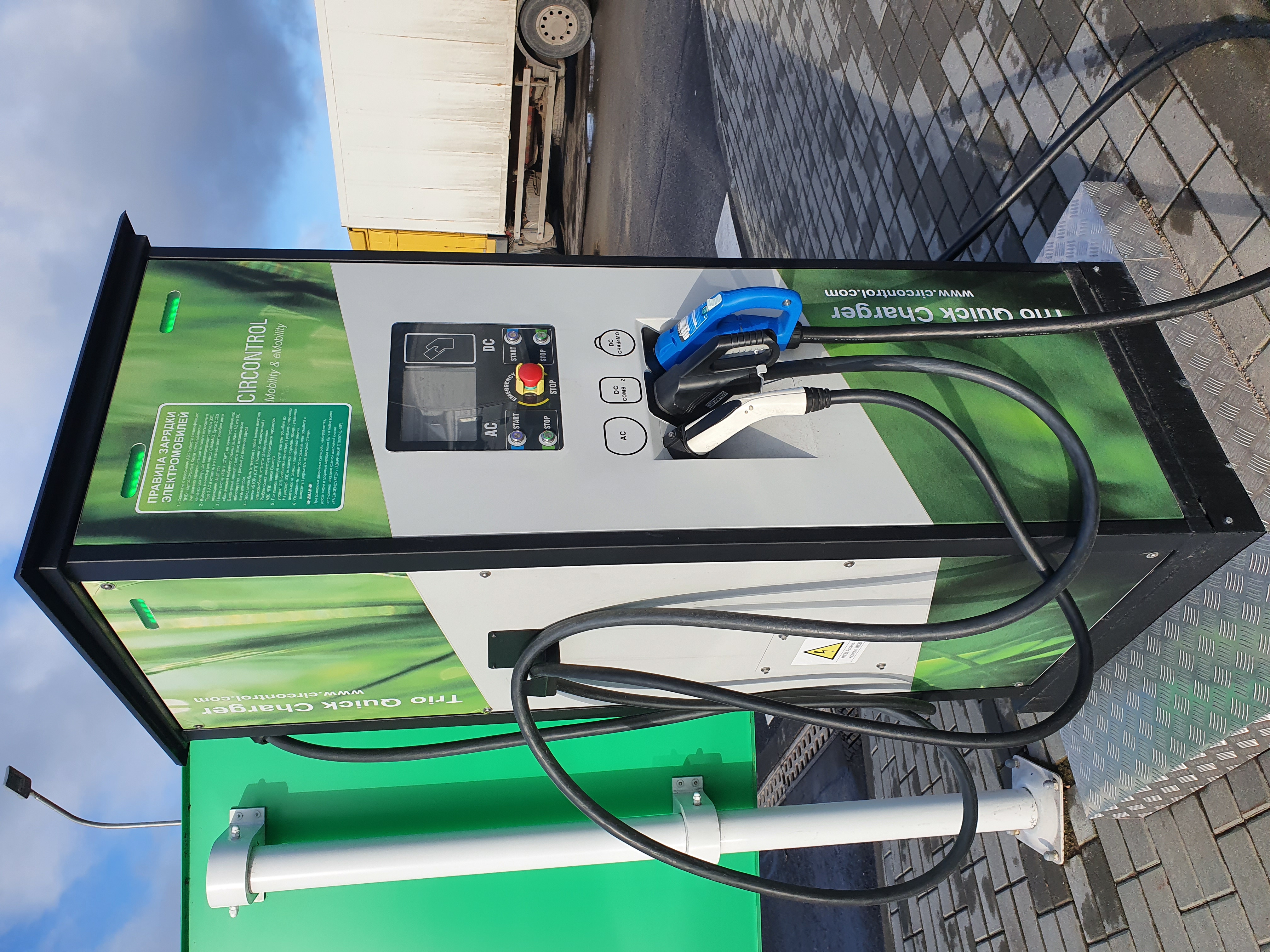
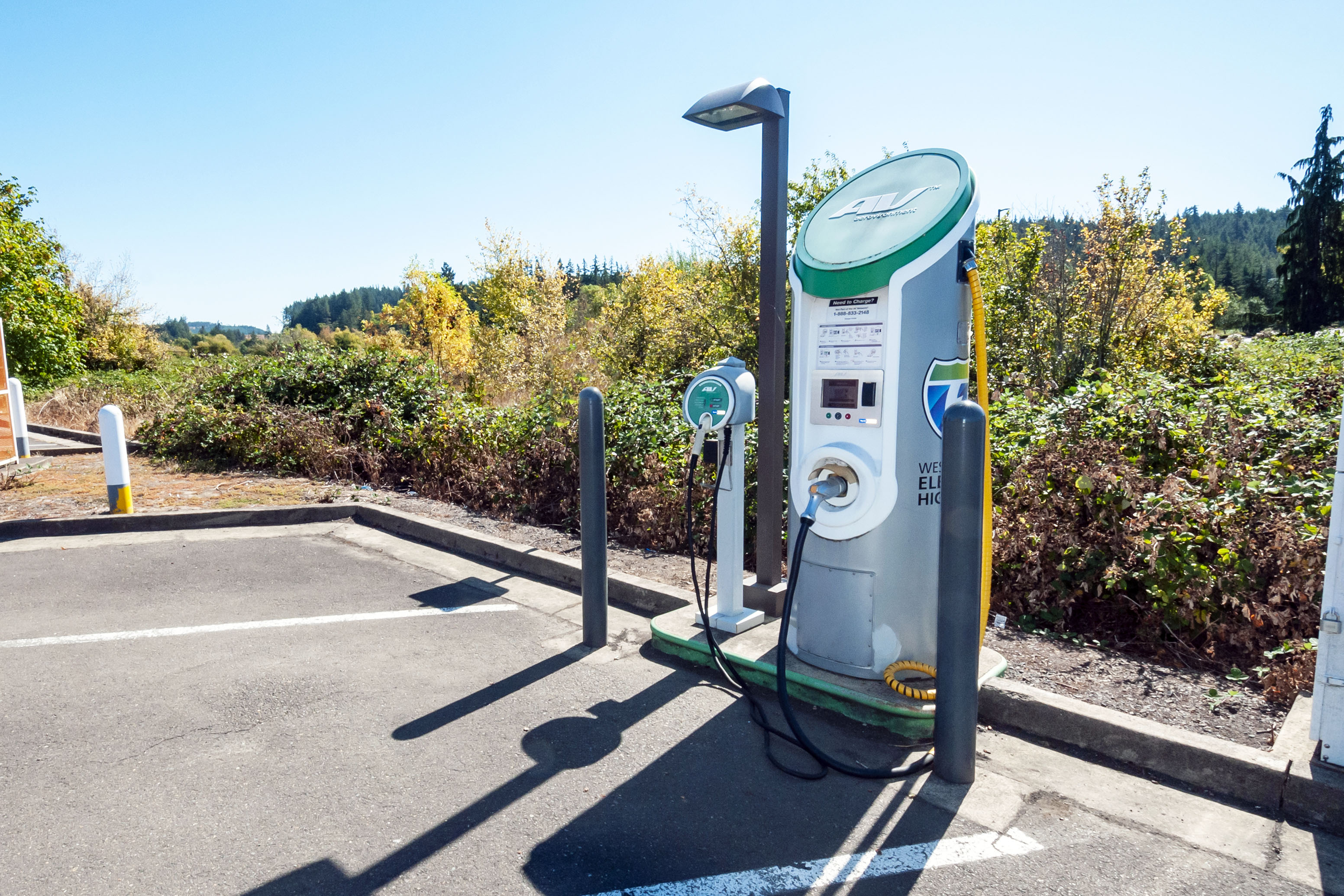
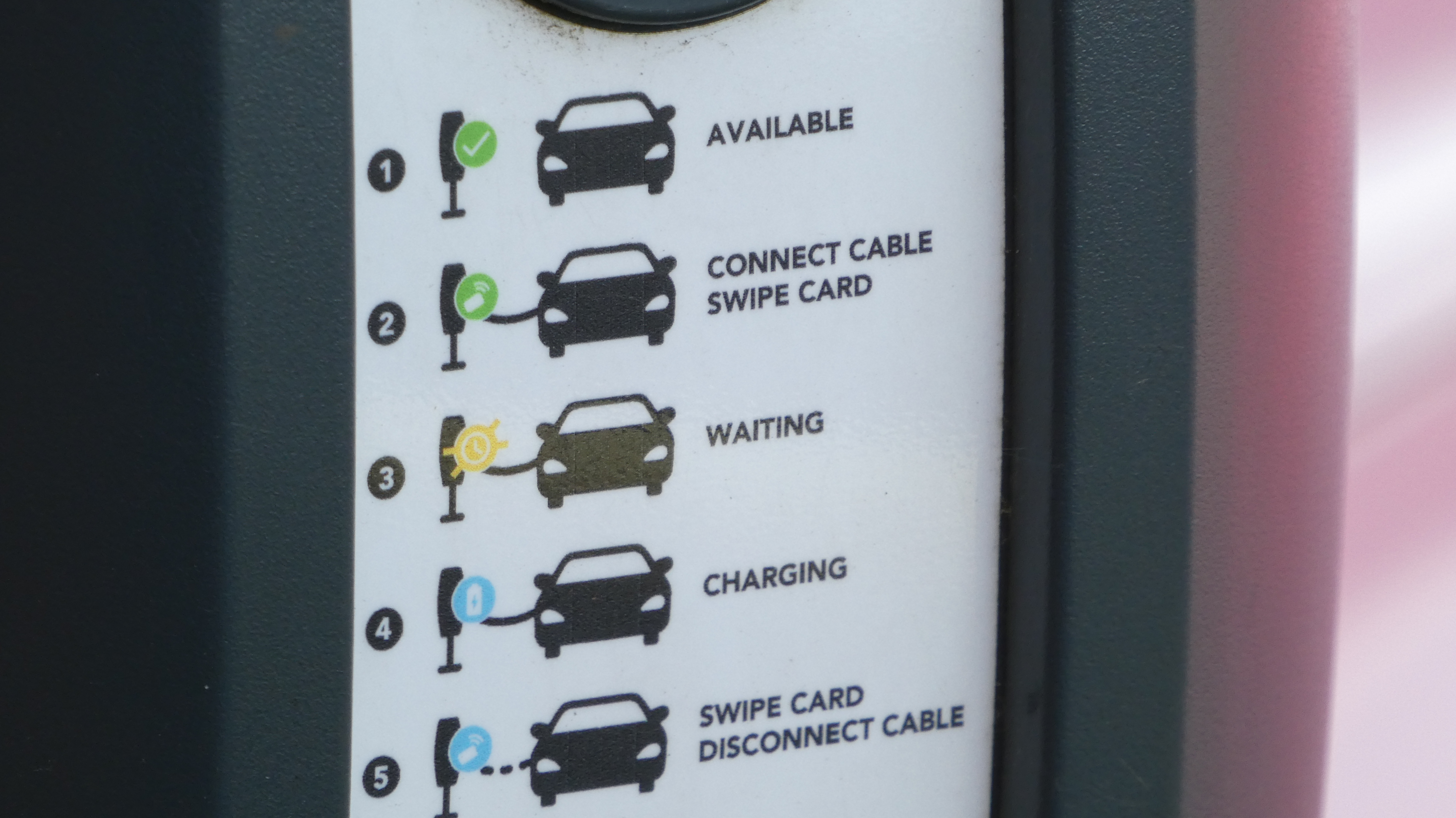
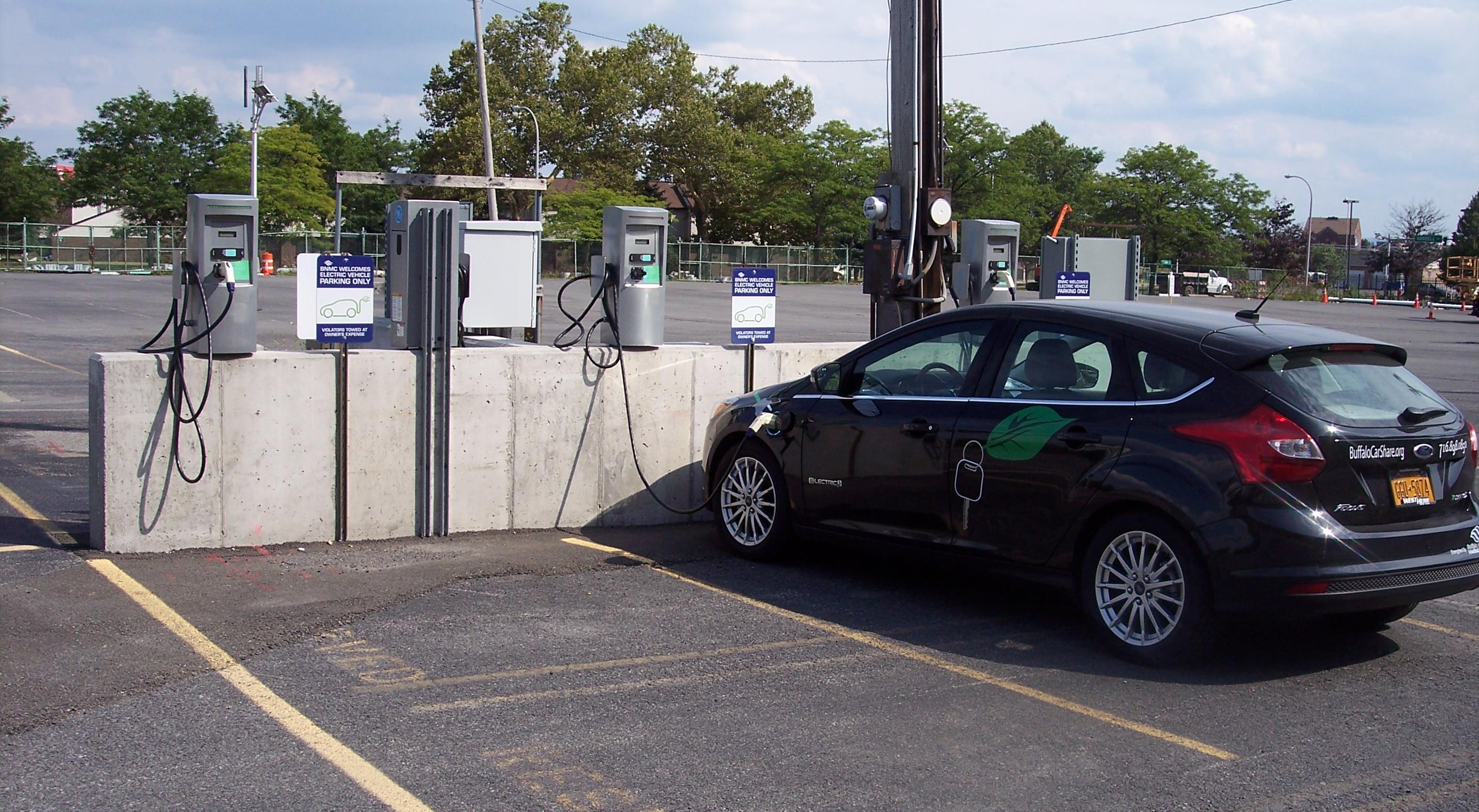
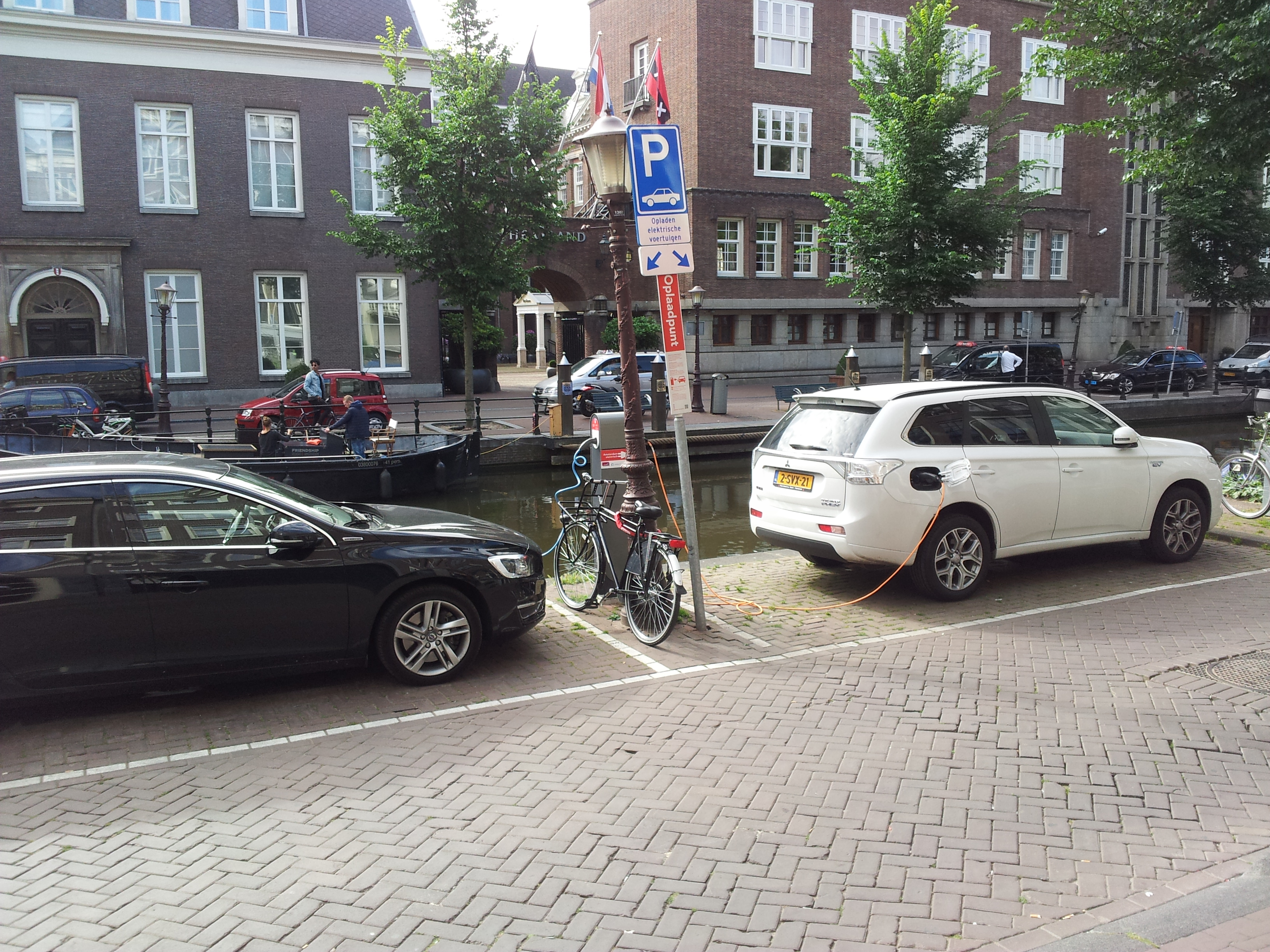
Free EV charging images plus charging-network references for deployment planning.
Interested in EV charging rollout discussion?
Connect with our team for location planning, charging format discussion, and deployment pathway support.
Frequently Asked Questions
1. EV चार्जिंग क्या है?
EV चार्जिंग इलेक्ट्रिक वाहनों की बैटरी को चार्ज करने की प्रक्रिया है।
2. GNE69 कौन-सी EV चार्जिंग सेवाएँ प्रदान करता है?
हम आधुनिक और विश्वसनीय EV चार्जिंग समाधान प्रदान करते हैं।
3. क्या EV चार्जिंग पर्यावरण के लिए बेहतर है?
हाँ, यह प्रदूषण कम करने और स्वच्छ परिवहन को बढ़ावा देती है।
4. EV चार्जिंग स्टेशन कहाँ उपयोग किए जाते हैं?
इनका उपयोग घरों, कार्यालयों, पार्किंग क्षेत्रों और सार्वजनिक स्थानों पर किया जाता है।
5. क्या EV चार्जिंग किफायती है?
हाँ, यह पारंपरिक ईंधन की तुलना में कम खर्चीला हो सकता है।
6. क्या EV चार्जर सभी इलेक्ट्रिक वाहनों के लिए उपयुक्त हैं?
हाँ, अधिकांश EV चार्जर विभिन्न इलेक्ट्रिक वाहनों के साथ संगत होते हैं।
7. क्या GNE69 व्यवसायों के लिए EV चार्जिंग समाधान देता है?
हाँ, हम व्यावसायिक और औद्योगिक उपयोग के लिए भी समाधान प्रदान करते हैं।
8. EV चार्जिंग के क्या फायदे हैं?
यह ईंधन लागत कम करने और पर्यावरण संरक्षण में मदद करती है।
9. क्या EV चार्जिंग सुरक्षित है?
हाँ, उचित मानकों के अनुसार उपयोग करने पर यह पूरी तरह सुरक्षित है।
10. क्या EV चार्जिंग भविष्य की आवश्यकता है?
हाँ, इलेक्ट्रिक वाहनों की बढ़ती मांग के साथ इसकी आवश्यकता तेजी से बढ़ रही है।
11. क्या EV चार्जिंग सिस्टम कम रखरखाव वाले होते हैं?
हाँ, इन्हें बहुत कम रखरखाव की आवश्यकता होती है।
12. EV चार्जिंग के बारे में अधिक जानकारी कैसे प्राप्त करें?
आप हमारी वेबसाइट या संपर्क विवरण के माध्यम से हमसे संपर्क कर सकते हैं।